


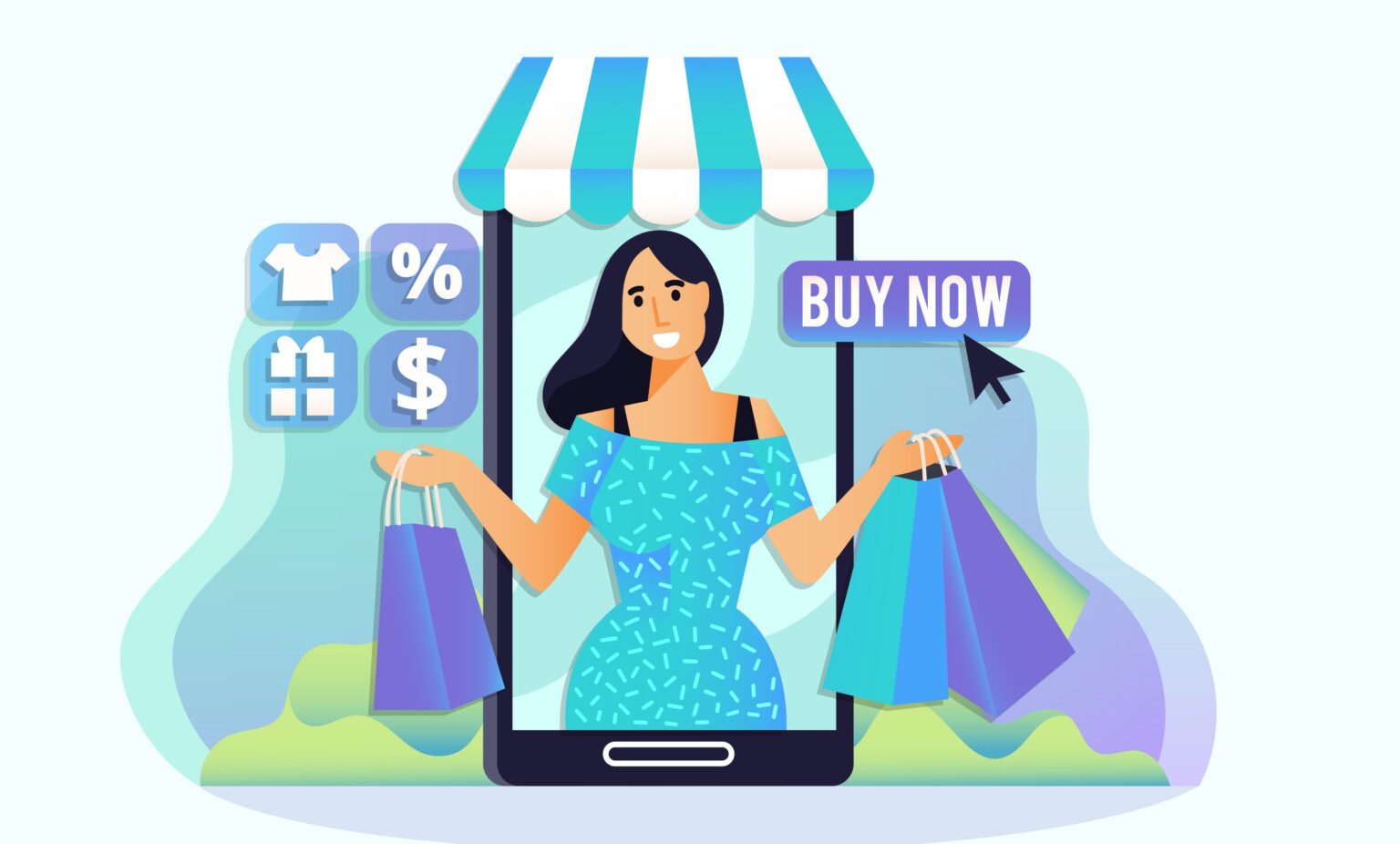


Creator-led commerce represents a shift in how business is conducted, as content creators establish, manage, and promote their own content or leverage social commerce and affiliate programmes.
Driven by a consumer preference for authenticity and personal endorsements over conventional, corporate marketing, this model relies on building consumer trust, which then naturally leads to transactions.
Creators are the centres of this system, cultivating dedicated audiences on digital spaces such as YouTube and Instagram. These channels provide diverse ways to generate revenue, including brand partnerships, direct merchandising, online shopfronts, and affiliate arrangements.
Concurrently, brands tap into this creator equity to access specialised demographics via credible, reliable positioning. Audiences remain deeply involved, participating in the content, driving purchase choices, and shaping commercial trends.
How big is this, really?
India now has over 4 million active creators, a number that has grown four times over in five years.
The country’s creator economy is projected to touch $15 billion in 2026 and could grow roughly four times larger by 2033.
Brand budgets are following the same path worldwide. A recent industry study found 60% of brand leaders are cutting print spending, and half are trimming television budgets, moving that money towards creators instead.
Why is traditional advertising losing ground?
Three forces work against the old advertising model: cost, trust, and staying power.
A 30-second television ad is expensive, whereas a creator-led post, even from a well-known micro-creator, often costs a fraction of that.
Trust makes the bigger difference, as nearly 7 in 10 consumers say they trust a creator’s recommendation more than a message coming straight from a brand.
A television advert disappears the moment its slot ends. A creator’s product video keeps earning views for years, and brands often reuse that same clip on product pages long after it was first posted.
The many shapes of creator-led commerce
Not all creator commerce looks the same, and the differences matter for anyone trying to understand this space.
Affiliate links are the oldest model where a creator shares a link, earns a small commission, and the relationship mostly ends there. The link simply waits for someone to click it.
A YouTube viewer often watches for ten minutes or longer, giving a creator time to build a case for a product. An Instagram Reel gets roughly three seconds to earn a swipe, so trust has to be built over weeks of earlier content, not in a single post.
What this means for a creator
This shift changes what a creator’s job actually involves. Entertaining an audience is no longer enough on its own.
Increasingly, creators are also expected to run something close to a small retail business. That means handling stock questions and refund requests, not just chasing views.
A creator with 20,000 genuinely engaged followers in a small town can now outsell a national celebrity endorsement because their audience treats them like a friend giving advice, not a face on a billboard.
Regional-language creators in India’s smaller towns are already proving this. Non-metro India’s creator base has grown 6.4 times over five years, reaching buyers that malls and national campaigns never fully covered.
The risk sits right alongside the opportunity, though. When a creator recommends a product that underperforms, the fallout lands on their own name, not a brand’s logo. Trust, once spent carelessly, is slow to rebuild.
FAQs
Is creator-led commerce the same as influencer marketing?
Not quite. Influencer marketing is mainly about awareness, getting a brand noticed. Creator-led commerce goes further and includes the actual sale, often inside the same app the content lives on.
Which platform leads creator-led commerce in India? Instagram currently hosts the largest share of India’s active creators, though YouTube and newer live-shopping platforms are catching up fast.
Do brands still need traditional advertising?
Yes, but for a narrower job. Traditional media still works for pure brand awareness at scale, while creators tend to win at the trust and conversion stage.
Is creator-led commerce only useful for big brands?
No. Small and regional brands often benefit the most, since one well-matched creator can reach a specific audience far more cheaply than a national campaign.