




Most creators don’t lose brand deals because their content wasn’t good enough. They lose them because nobody on the brand side could figure out, in under two minutes, whether it was worth a reply.
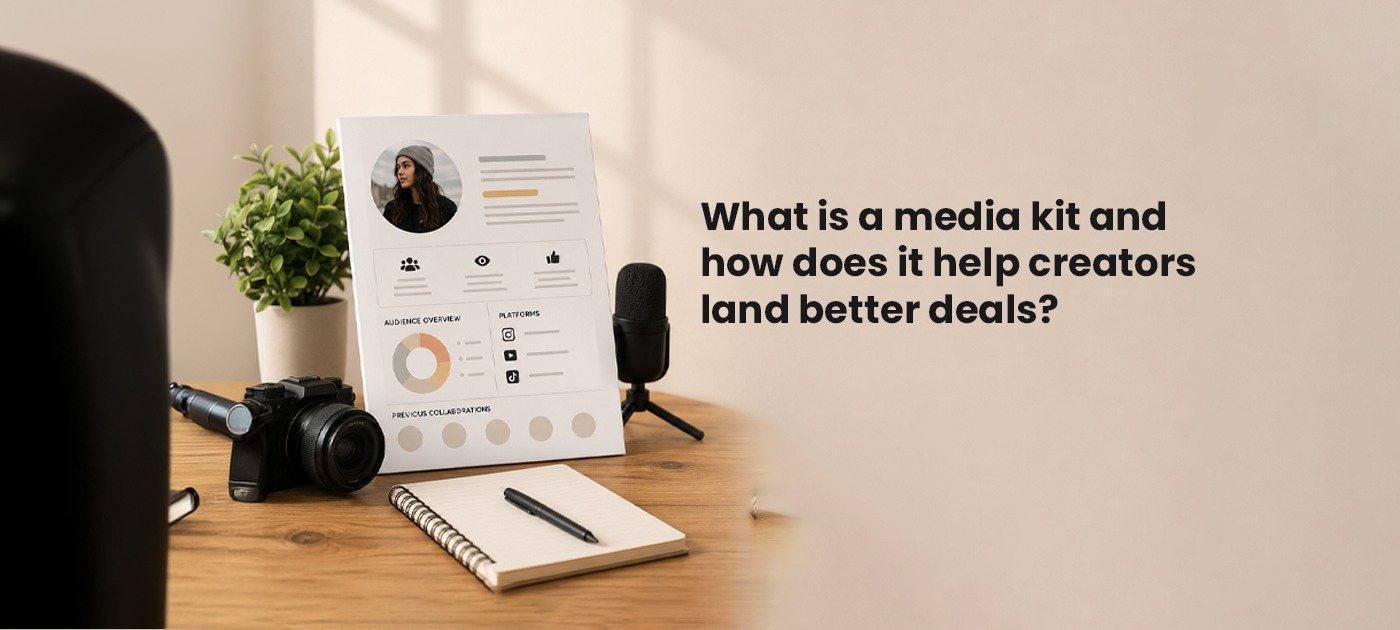
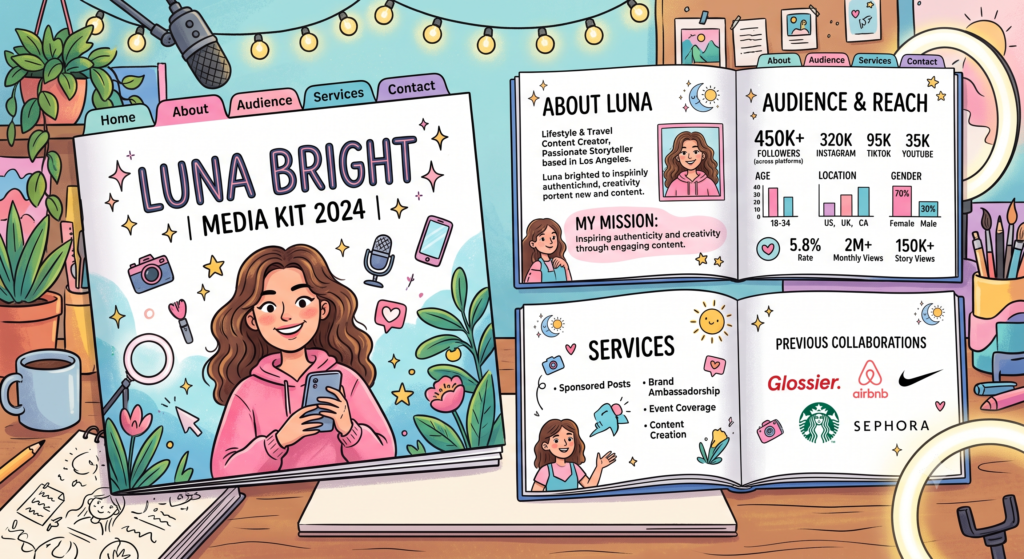
It’s a short profile, usually a PDF or a slide deck, that a creator sends over before any collaboration talk gets serious. Follower counts; engagement rates; who the audience actually is; brands they have worked with before; and how to reach a creator.
A decent way to think about it: a rate card tells a brand what charges. A media kit tells them why that number makes sense, backed by real reach and real results. One is a price tag. The other is the argument for the price tag.
Why bothering with one pays off
Brands are almost never choosing between one creator and nothing. They’re choosing between a creator and four or five other people who post something similar.
When the media kit is clean and easy to scan, it becomes the easy choice, and easy usually wins, even over slightly bigger accounts that make brands work harder to say yes.
There’s also a trust angle that’s easy to underrate. Showing up with real data, laid out clearly, signals the creator runs this like a business rather than a side hobby a creator hopes turns into one. Brands notice that difference fast.
Brands are actively hunting for creators who can prove their value quickly inside that spending pool. A media kit is how a creator gets noticed in it, instead of getting lost in it.
What needs to be in there
A media kit is a short, professional document that helps creators get brand deals. It acts like a business profile, showing brands why they should work with a creator instead of someone else.



By including a brief bio, follower numbers, and audience details, a creator makes it easy for brands to see if they are a good match. Adding examples of past work and successful partnerships proves the creator’s value.
Using a media kit shows that a creator treats their work as a serious business, which helps them stand out to brands looking for reliable partners.
To prove the value, include examples of the best work, such as links or screenshots, and a list of brands creators have worked with. Including nice comments from past partners can also be very helpful.
Finally, always include a professional email address so brands can contact a creator easily. While creators can choose to include the prices and ideas for working together, it is optional; deciding to leave them out can give more flexibility to talk about details later.
What changes once creator have one
A media kit is a professional profile, either one or two pages long, that gives brands the data needed to make fast collaboration decisions.
A good kit has a short bio; metrics (follower counts, engagement, etc.); audience demographics (age, gender, interests); examples of top posts; previous collaborations; and a professional email.
It allows creators to set the terms of partnerships based on real data, proving they’re running a professional business, not a hobby.
If you are a newer creator, then don’t wait to create it, but most importantly keep the document honest and up-to-date.
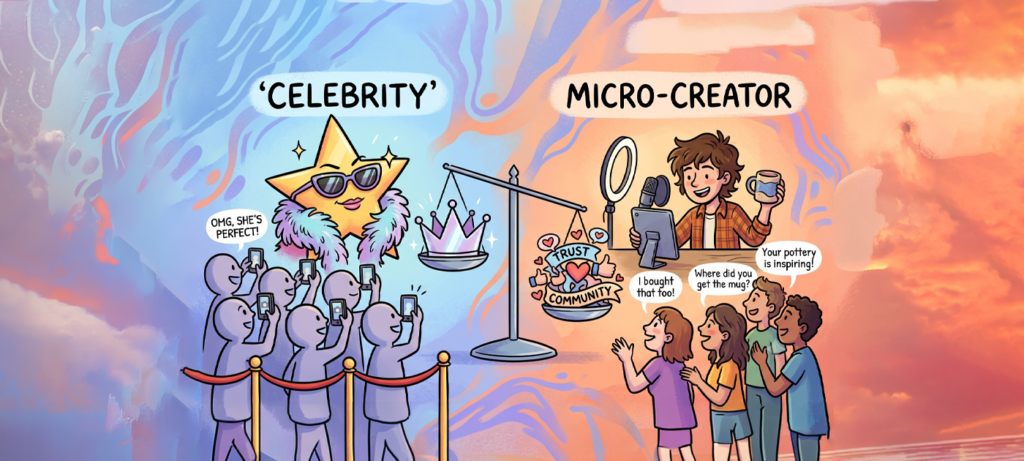
A smaller, genuinely engaged audience often closes deals faster than a large, passive one once a brand sees proof instead of just follower counts.
FAQs
Do I need a big following to bother with a media kit?
No. Brands are increasingly weighing engagement and niche relevance over sheer follower count, so even a small, tightly focused audience can support a strong pitch.
How often should I update it?
Every three to six months, or sooner if the follower count, engagement, or content direction shifts meaningfully.
What format should I use?
PDF, Canva, Google Slides, or a live webpage all work fine. A live page has one advantage: it’s easier to keep current since the numbers are always moving.
Should I put my rates in it?
Optional either way. Including them speeds up decisions. Leaving them out keeps room to negotiate deal by deal.
How is this different from a portfolio?
A portfolio is just the creative work. A media kit wraps that work in the data, audience numbers, metrics, and past collaborations that a brand actually needs to make a partnership decision.