





Reader-funded subscription model, Substack, has expanded into brand advertising with the new creator business model, where it lets companies pay creators directly to advertise inside their newsletters.
CEO Chris Best announced the next phase of its sponsorship program, securing millions of dollars from a lineup of major inaugural brands, including Uber, Balenciaga, Polymarket, and more.
This allows creators to establish direct partnerships with brand sponsors. Substack has launched ‘Creator Kit,’ which are customisable media profiles that allow publishers to present audience demographics, content formats, and engagement metrics to prospective brand partners.
According to the announcement, the company has hired Dan Robbins, a former executive at Roku and PayPal, as its first Head of Brand Sponsorships.
While Substack‘s top 10 creators collectively generate more than $100 million annually through paid subscriptions, the platform frames sponsorships as a secondary revenue stream to help creators fund operations and expand production.
What this actually means for Indian creators
Substack used to earn money only through reader subscriptions. Now, it also allows brands to sponsor newsletters and run ads directly. This is good news for independent writers, but those based in India may struggle to take full advantage of it due to structural barriers, which are not in their control.
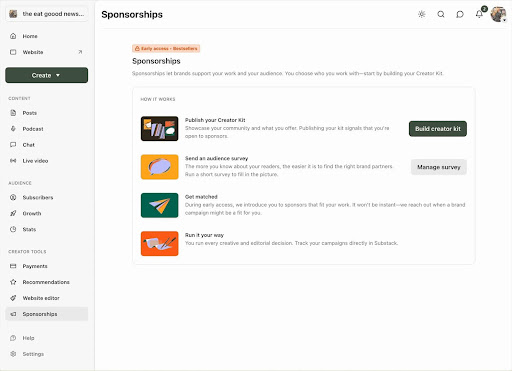
Substack is currently only giving these new Creator Kit and sponsorship tools to verified bestsellers, which the platform defines as publications that have a substantial base of paid subscribers.
However, because of local regulatory complexities and financial routing challenges, many Indian creators face severe friction connecting Substack’s payment processor, Stripe, to their local bank accounts.



Why this is a missed opportunity
If Substack can resolve these payment infrastructure issues for India, local creators may benefit. Indian independent writers rarely have talent managers or legal teams to negotiate complex corporate contracts with global brands, so having Substack handle the matchmaking and logistics would bridge a massive networking gap.
Global brands like Uber and Balenciaga are already active in India, and Indian Substacks focus on high-value topics like tech and venture capital making their wealthy, educated readers an attractive audience for these brands.