




Every creator earning money online eventually asks one question. Should this be a proprietorship or a private limited company? The answer changes as the channel grows.
What a sole proprietorship means
A sole proprietorship is not a separate entity. The creator and the business are legally the same person. Income from brand deals, YouTube AdSense or online courses gets taxed as personal income.
There is no registration certificate required to start one. A GST number or a Udyam registration is often enough. Most creators unknowingly begin here, the moment money starts coming in.
What a Private Limited Company changes
A private limited company is a separate legal entity, registered with the Ministry of Corporate Affairs. It needs at least two directors and shareholders, though one person can hold both roles.
The company owns the brand contracts, the intellectual property and the bank account. The creator becomes a director drawing a salary, rather than being the business itself.
The two things that decide the switch
Tax is the first lever. Personal income above ₹24 lakh is taxed at 30% under the new regime. A private limited company can instead opt for a flat 22% rate under Section 115BAA, working out to roughly 25.17% effective, regardless of how high profits climb.
A sole proprietor is personally on the hook for lawsuits, brand disputes or copyright claims. A private limited company keeps that risk inside the company, protecting personal savings and property.
What this means for a creator’s Day-to-Day
The paperwork difference doesn’t stop at registration.


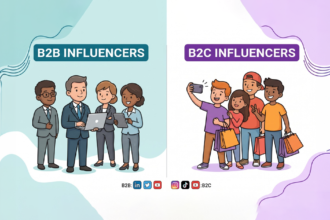
A sole proprietor’s YouTube AdSense or Instagram bonus payout goes to a personal PAN. Once incorporated, every payee detail, tax form and invoice must move to the company’s name and GST number, which can pause a payout cycle or two.
A large brand’s finance team often prefers a GST invoice from a registered company over a personal one, purely for its own tax records, even on a modest deal.
A YouTube creator earns steadier ad revenue that scales with watch time, while an Instagram creator relies more on one-off brand payouts. Irregular income favours the low-overhead proprietorship; predictable income makes company compliance easier to justify.
A private limited company lets a creator hold merchandise trademarks and course content as company property, separate from personal ownership, which matters once co-founders join later.
A private limited company needs annual filings, a company secretary or chartered accountant, and board resolutions for routine decisions, often ₹40,000–80,000 a year, even with zero revenue.
FAQs
Can one person register a private limited company?
Not directly. A private limited company needs at least two directors, though one person can hold both director and majority shareholder roles. A one-person company allows single ownership under different rules.
Does a sole proprietorship need GST registration?
Only once turnover crosses the GST threshold or if the creator wants input tax credit or works with brands that require a GST invoice.
Is a private limited company always more tax-efficient?
No. Below the highest personal tax slab, a sole proprietorship often pays less tax overall, once compliance costs are counted in.
Can a sole proprietorship convert into a private limited company later? Yes. The process moves assets, contracts and bank accounts to the new entity, and most creators do this without disrupting active brand deals.